


Why NOT To Use A Rototiller – And How To Have A Great Garden Without One.

Rototillers can cause more harm than good to your garden soil.
Most people are completely shocked when
they find out we don’t own a rototiller…and never will. The most common
misconception about a rototiller is that they save time - and that you
need one in order to have a great garden. It couldn’t be further from the truth.
In fact, you can save a tremendous amount of money, time and garden work by not
owning one. That’s not a misprint – in addition to the cash saved by
not having to purchase and maintain a tiller – you really can save time and work by
not having one at all. A rototiller can cause a great deal of harm to a
garden’s soil structure, which in turn creates more than their share of
weed and maintenance problems for the home gardener.
Here are 4 major reasons why NOT to use a tiller in your garden:
1. They Cause Soil Compaction:
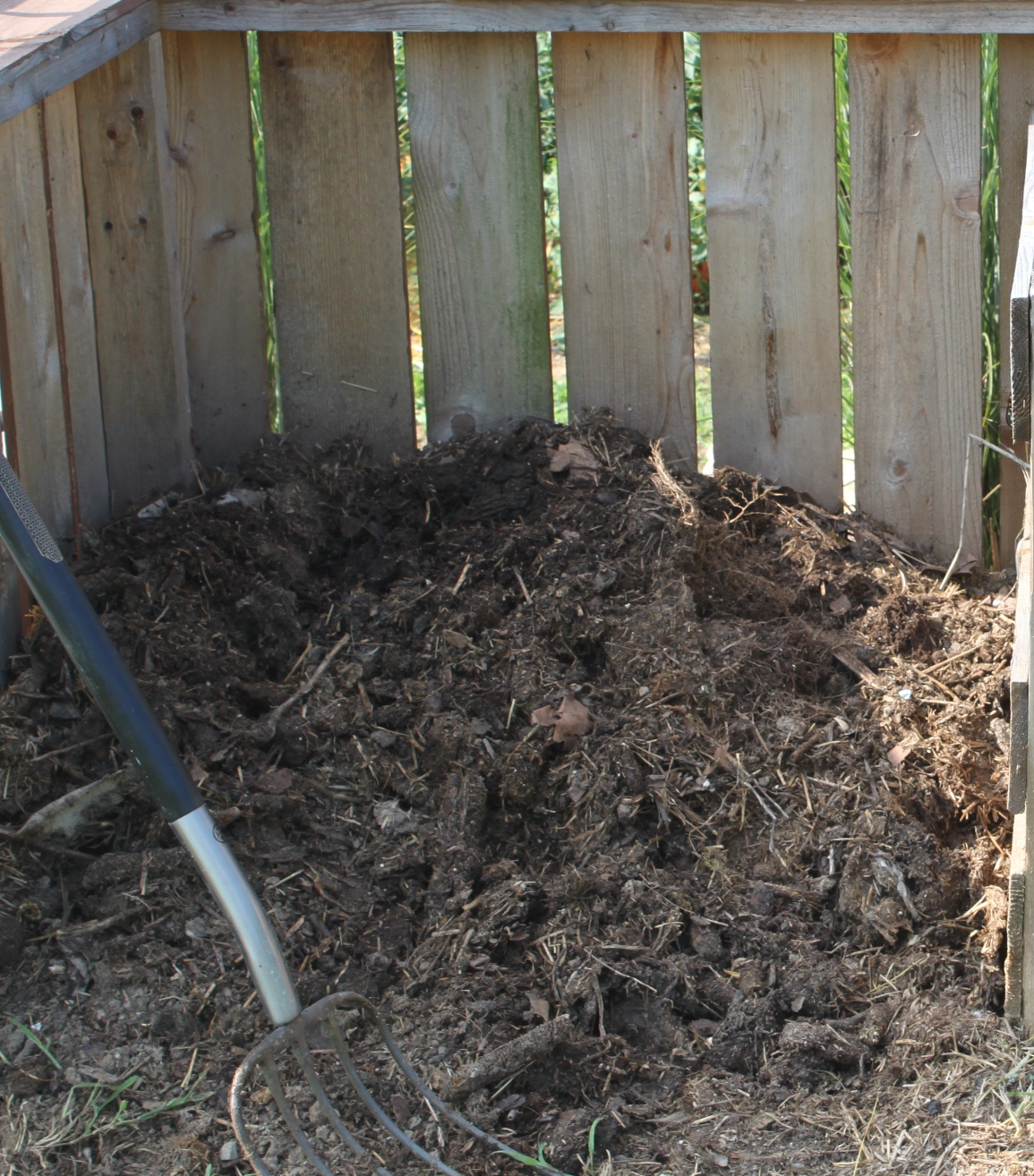
Good healthy soil takes on the components of good compost – teeming with all types of microbial life and structure.
Good healthy soil is all about its
structure. Great soil should be teaming with all sorts of organic
matter in various stages of decay. Those little bits and pieces of
organic matter allow for water, air and nutrients all to be carried down
through the soil to your plants. Great soil is filled with billions of
helpful bacteria, worms and microorganisms that play important roles in
bringing nutrients to your plants. Tilling the soil can ruin all of
that.
As soil is tilled over and over, that
all-important structure is destroyed. The active life in the soil is
disrupted and exposed – and it becomes reduced to lifeless fine grains
of sterile dirt. Without structure – the soil also becomes easily
compacted around the roots of your plants – keeping out vital nutrients.
That makes it harder for water and air to get through - resulting in
under performing plants. Poor structure also makes it difficult for the
soil to retain moisture – also a critical factor in a plant’s growth
and success. And last – whether you have a rear tine tiller, front
tine tiller – you still have to walk behind it or beside it – compacting
even more of the very soil you are trying to break up.
2. They Create More Weeds
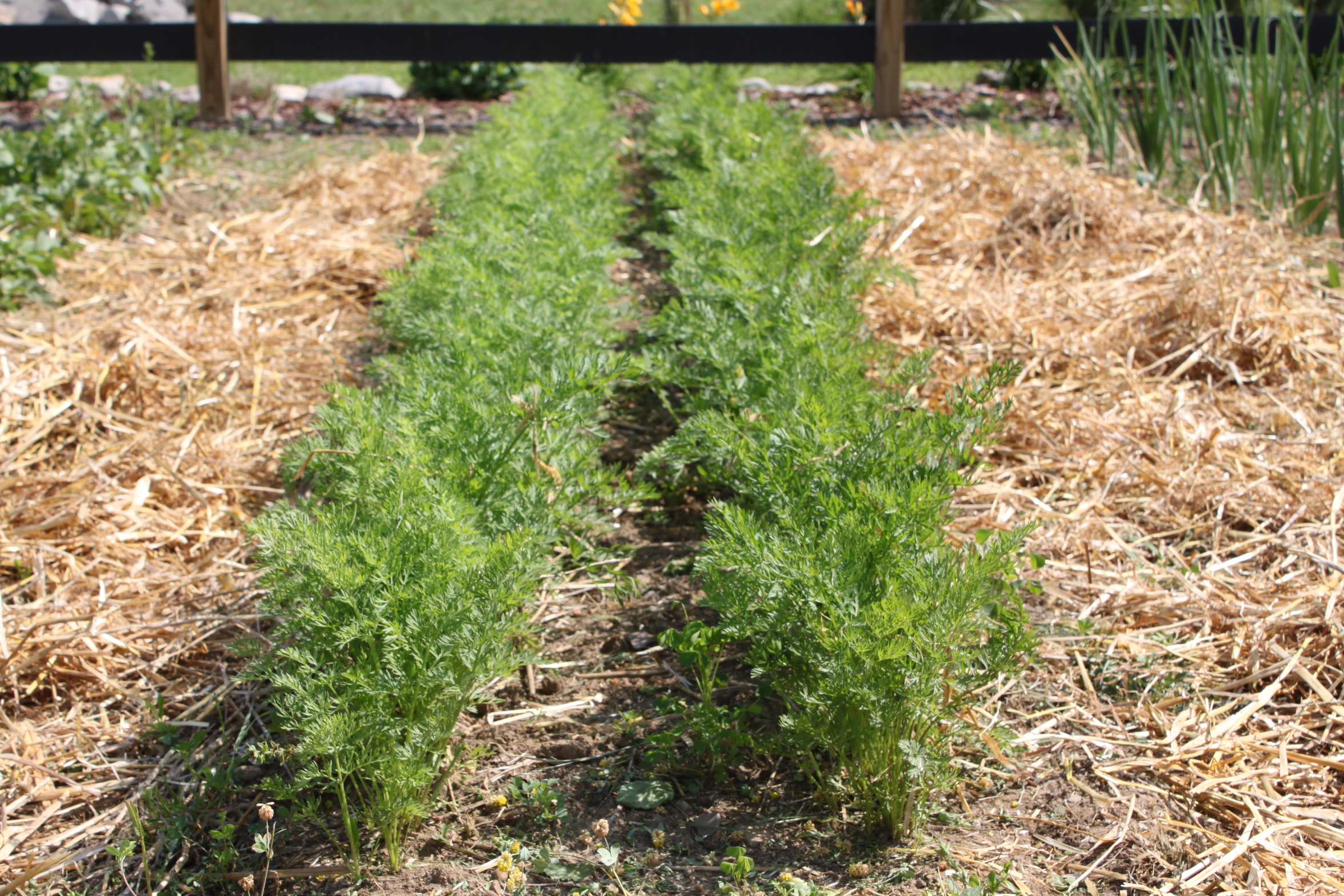
Mulching
is the better option than tilling between rows. Here carrots benefit
from straw mulch – keeping in moisture and keeping back weeds
Rototillers actually cause more weeds
than they ever come close to eliminating. When a tiller is run through
the garden rows or walking rows – every time those tines flip that soil,
guess what else they are flipping? That’s right – hundreds if not
thousands of tiny weed seeds. Seeds that have blown in from all over.
Seeds that can now be buried under enough soil to have a chance to
germinate – and double if not triple the amount of weeds you had before
you ever ran those tines in the first place. Thistle and quack grass
are a big problem in our area and we are often asked how are garden
seems to stay free of them with little work. The answer – we don’t own a
rototiller.
3. They Create The “Bare Soil” Problem
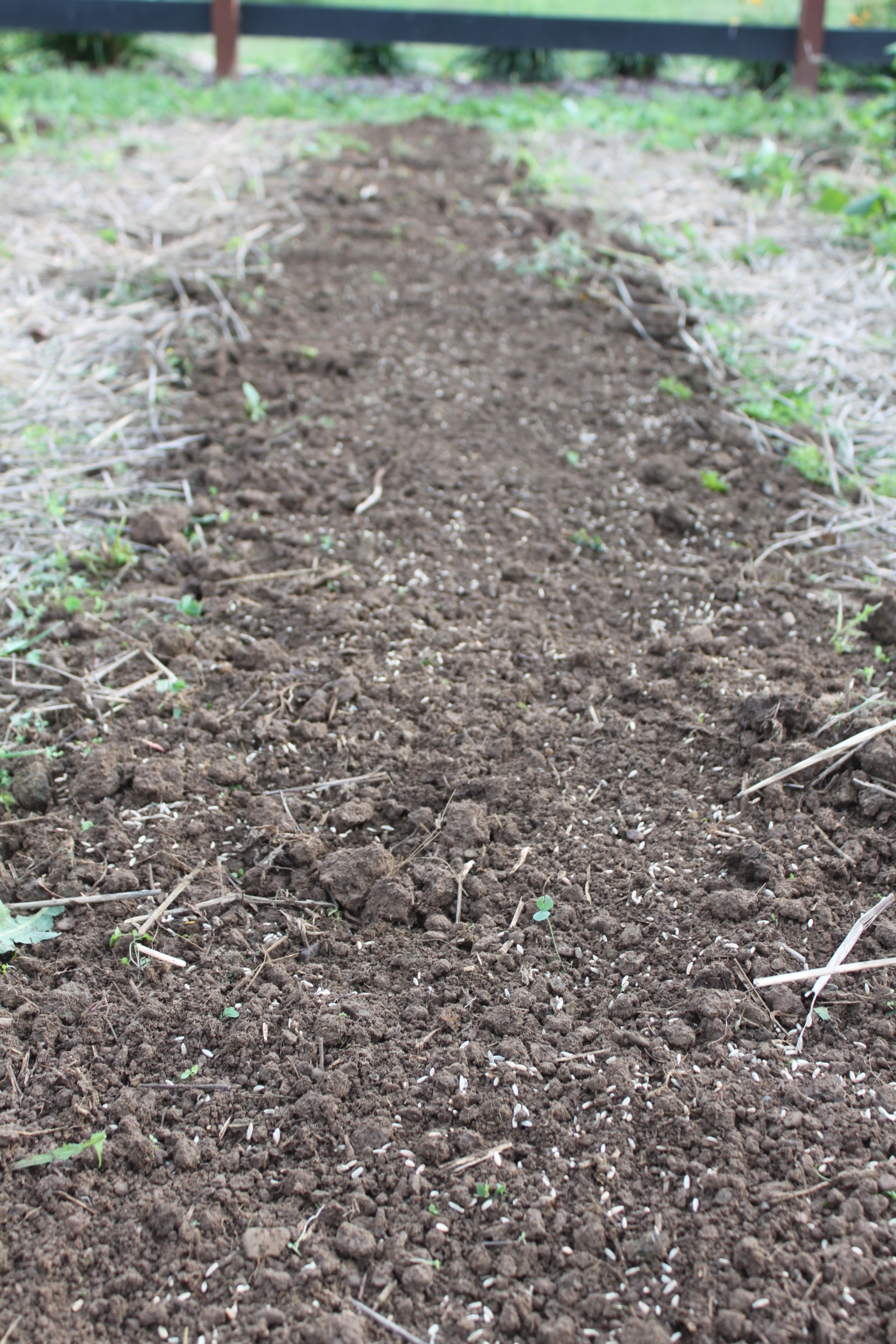
Barren soil makes it easy for soil erosion to occur, and for weed seeds to blow in. Cover crops solve both problems.
Here is another simple fact – bare soil
in your garden is not a good thing: In fact – in our garden – during
all four seasons – we try hard to never have any of our garden soil or
the row’s exposed. Why? For a couple of reasons. Exposed, barren soil
is primed and ready for two things…fresh weeds seeds to be blown in and
become established – and wind and water to wash it away quickly through
erosion. We use large amounts of natural mulch like straw and shredded
leaves in the rows and around our plants to keep the soil covered and
mulched – keeping weed seeds from becoming established and erosion to a
minimum. In the fall and winter – cover crops then take over and
provide protection. I know that a lot of people think that those nicely
tilled rows between the garden are a neat “clean” look – but they
really lead to more weeds each season – and a huge loss of topsoil due
to wind and water erosion.
4. They Can Delay Gardening Season
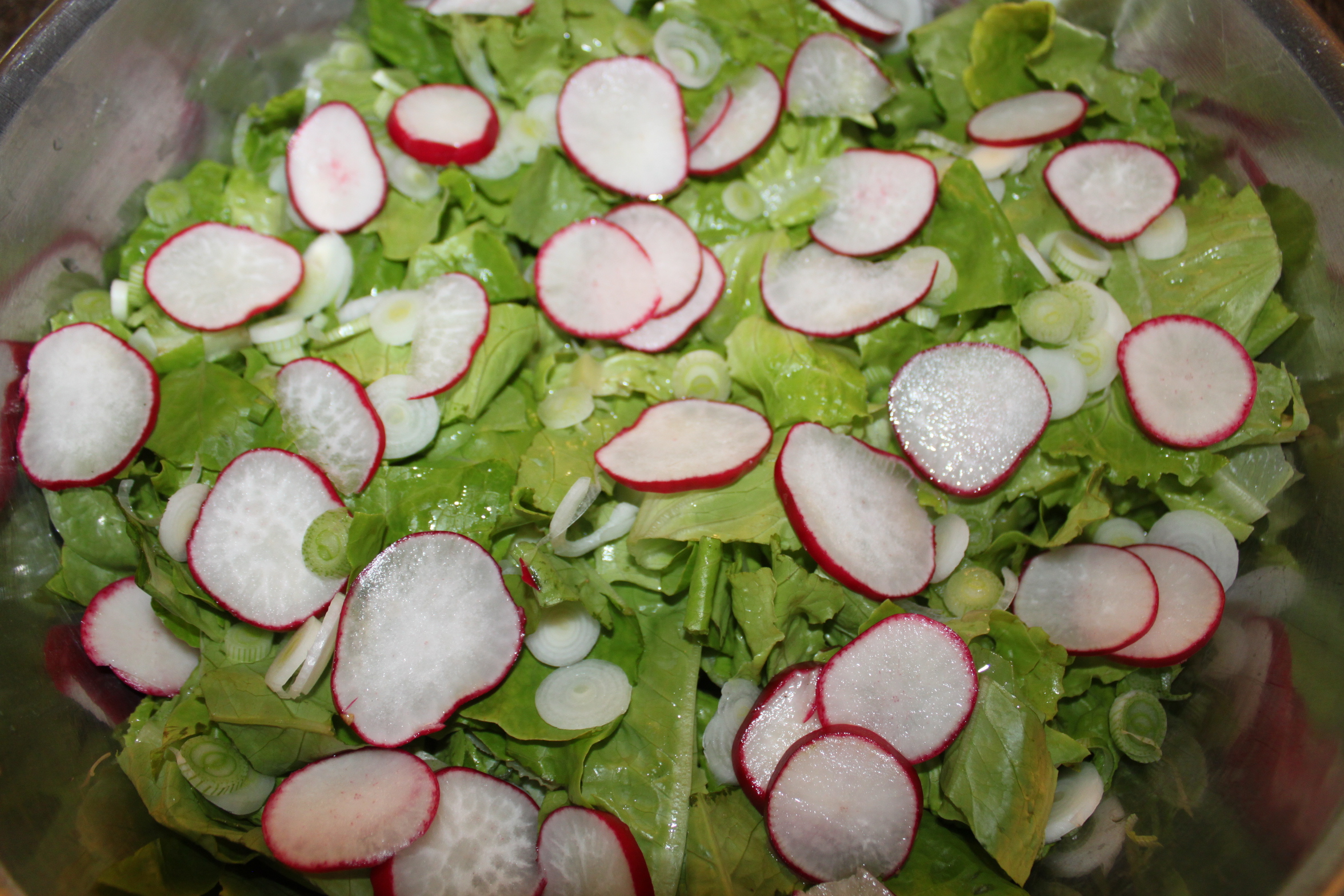
Early season crops like lettuce and radishes can go in the ground earlier in raised row beds
How many times have you heard someone say
– “I couldn’t even get my tiller in the soil until late Spring because
it was so wet.” With a no-till approach – your soil structure drains
better, can be worked sooner, and leads to earlier harvest times.
Not only that – but tilling at the wrong
time can do serious additional damage to your soil structure. If it’s
too wet – it can result in clumpy and muddy soil. If it’s too dry – a
rototiller only serves to destroy the little soil structure remaining –
making it less likely to hold in moisture and nutrients. That in turn
leads to the need for more watering and probably having to add synthetic
fertilizers to the soil to make up for the lack of naturally available
nutrients. It becomes a vicious cycle that only causes more work for
the gardener.
Gardening Without A Tiller…

Most visitors are surprised we never use a rototiller in our garden

Our low maintenance raised row garden requires about 10 to 15 minutes a day to keep weed free.
No matter what type of garden you have – a
raised bed, raised row, or traditional garden plot – the more you can
leave your soil alone and undisturbed – the better off your plants are,
and the less overall weeds you will have.
We are big proponents of raised beds, or
in our case, raised row beds (raised soil without wood or metal sides).
The benefits of raised beds or raised rows are that you only need to
work the soil you plant in – and can concentrate adding organic matter
and cover crops to that small portion – leaving your walking and
maintenance rows for just that…walking in. There is never a need to
till the soil in the walking rows, and you can keep weeds out with thick
layers of organic mulching materials such as straw, grass clippings or
shredded leaves that keep the garden looking neat and healthy – and
require little work.
The soil in our actual planting rows is
only about 18″ wide. This allows us to concentrate all of our soil
building work in just that area – and not wasting effort and hard work
all over the garden. Why dig in and use up valuable compost or cover
crops in the rows used only to walk in? Now you can put it exactly
where it’s needed – right in the soil where your plants grow! Even our
fall and winter cover crops are only planted in the 18″ wide raised rows
– not the entire garden – allowing for maximum replenishment of the
garden while conserving our cover crop seed. With such a small area to
work - they are easily turned over with a pitchfork to incorporate back
into the soil for great organic matter. For more on raised row
gardening – you can check out our 4 part series on raised row gardening
here : Growing Simple – Raised Row Gardening
Happy Gardening – Jim and Mary


1 comments:
I'm printing this out...this is the way to garden. I have a brand new Craftsman rototiller....used it, oh ten hours...can't get it started....yeah, I really like this idea!!!
Post a Comment