Showing posts with label survival. Show all posts

Wednesday, May 13, 2015

With commonsense planning, you can survive hard times


Jackie Clay
Issue #55 • January/February, 1999
http://www.backwoodshome.com/articles/clay55.html
Today, many people are afraid that hard times are about to descend upon us because of the Y2K computer date problem, also known as the Millennium Bug. Others fear that the economic chaos occurring in Asia, parts of South America, and parts of Europe will engulf the United States, causing a Depression on the scale of the one that followed the 1929 stock market crash.
The scenario of a Y2K computer catastrophe, which self-styled experts say will begin January 1, 2000, goes like this: There will be general chaos and shutdowns of the computer-controlled delivery systems of American society. Grocery stores won't get adequate food supplies, gas stations won't get enough gas to pump, hospitals won't get enough medicines, and government computers will fail to deliver social security, pension, welfare, and other government checks.
The computer-dependent banking industry will collapse, making it impossible for you to take your money out of the bank to buy food and other necessities. Planes that are allowed to fly will be be unsure of their altitude or bearing because the government software they use will have become flawed.
And the electrial grid will either collapse completely, or in huge sections, leaving millions of people without electricity to keep food cold, their homes warm, or the lights on.
People in the cities will panic. Not only might there be widespread rioting, but the panic may well spill over into the countryside, with hordes of people searching for a way out of the catastrophe. Lawlessness and violence will rule the resulting chaos, with gangs of desperate people doing what they feel they must to help their families survive.
The scenario is even bleaker in the event the world's economic woes overtake the United States. Where the Y2K computer glitch is seen as causing severe hardship on a relatively temporary basis, an economic collapse is viewed as long-term. And it will be exacerbated because most people today live away from the land, unlike the 1930s when a significant portion of the population still understood how to grow their own food and otherwise fend for themselves.
Miscellaneous supplies to store up
• 25 pounds laundry soap
• 12 28 oz. bottles dish soap
• 73 rolls toilet paper
• sanitary napkins in sufficient quantity
• 8 gallons bleach (used for sanitation as well as laundry)
• 12 bars hand soap
• 6 24 oz. bottles shampoo
• personal products, such as toothpaste, deodorant
• chainsaw oil and other items to keep things running
• pet foods
• livestock feed
• 55 gallons kerosene for lighting
• 25 gallons Coleman fuel or other lantern fuel
To view this possible scenario, the experts say you have only to watch the evening television news and observe the woes of Russia where an entire nation has been cast into poverty. Or view the once mighty economic giant, Japan, whose stock market has declined 60%, or the formerly strong economies of Thailand, Indonesia, and South Korea, whose economies are down 70 to 90%. And lately South America has joined the casualty list. These countries are harbingers of what lies ahead for the United States, the doom and gloom experts say.
For many of these countries, families cannot pay their power and phone bills, food is in short supply, and other necessities needed to make life palatable have all but disappeared. Repossessions, and families being evicted from their homes, are common.
Sounds bad, doesn't it? And it may or may not come true in this country. It happened before, the doom experts say, and it can happen again. And this time, they say, Americans are even less prepared than they were in the 1930s.
Whether it happens or not, or even if it only partly happens, there are steps you and I can take now to prepare for any eventuality. And it's a whole lot better to be prepared for something that may never materialize than to not be prepared for something that may hit in the year 2000, or next month.
This article, I hope, will help you prepare for any eventuality, whether it's the Y2K Bug, a major economic collapse, an earthquake or hurricane, or even a death in the family that brings on hard times for you personally. The steps outlined below will also insure a better quality of life if nothing every comes your way.
Finances first
While times are good, artificially or not, it's time to work extra long hours and "kill the bills." Just get out of debt. If you can't see the way to pay off your $250,000 home, consider selling it and moving to a less expensive place. There are a lot of homes for under $50,000 available, in most locations, if you really look hard.
Consider fixer-uppers, longer commutes from a more rural setting. If your job is so-so, consider moving to a location that has cheaper housing and living expenses. Get your home debt free, as soon as you can. A homeless family is a refugee family. Never become a refugee! Can't happen in this country? Think again. Check out the statistics for homeless people on the streets now. Sure some are addicted to drugs and alcohol, some too dysfunctional or lazy to "get a job." But a lot are just plain hardworking people who have hit tough circumstances. Don't put yourself in a position to become a refugee.
Pay off those credit cards, and put them in a top drawer. The interest is equal to that of "loan sharks" just a few years ago. A thousand dollar item can end up costing as much as three thousand, especially when you just pay the minimum each month, which is largely interest.
Get rid of all the "toys" you can: cable TV, the motor home you only use once a year, the vintage car in the garage, driven just to impress people, the new car in the garage (replace it with a good used one that you can quickly pay off), the extra vehicles you do not really need but are making monthly payments on. The vacation home could be replaced with one less expensive in a very rural location, to be used as a just-in-case retreat should urban or suburban life suddenly get too scary.
Sock away some hard cash. Yep, I sure know it's awful hard, especially for we folk who are far from well-to-do. Even a few hundred dollars, especially if in coin or paper money turned to gold, could come in very handy. Don't depend on banks. We use them, but would never, under the current economic climate, keep our savings in them. We would rather have real money where we can get it quickly...no matter what. FDIC insured? Yeah, right...when the country has more than a trillion in national debt...and no gold in sight? I don't think so.
Prepare to live simply
Begin gearing up your household to run without electricity, which also probably runs your furnace and water well (or city water). In the Detroit suburbs, Dad had his own well.
Check out local regulations before drilling though, as in some areas, it is illegal. Personally, I would not livewhere there were such regulations, as it could be too dangerous should city water go out. A developed spring is an excellent source of dependable water, as you have water pressure without needing electricity.
A wood stove can be installed in most homes, in most locations, to provide emergency heat (and cooking). Other options include solar heat/cooking, which is legal most places, and propane, which will power a wall furnace or space heater, kitchen stove, lights, and refrigerator. A 500-gallon propane tank will last a long time when gas is used frugally. Beware of stoves with electric ignition or heaters that require fans to heat. No electricity = no heat. We've used a propane fridge for years, and like it much better than an electric one. You might consider switching before you need to.
Store up fuel
Store up fuel for heating/cooking before you need it. Wood and other fuel can be stored a long time, will be cheaper before there is a great demand, and it will be easier to get. We have at least 12 cords of dry firewood in the lot, and only burn about one a year. It's nice to have...just in case. Likewise, a barrel of kerosene is good insurance against spending dark evenings. You won't be able to buy it during hard times, but it's pretty cheap now.
Have alternative lighting, whether it is kerosene lamps, Coleman lamps, or propane wall lamps. Being poor and in the dark is not a good emotional combination. And be sure to have replacement wicks, globes, and other parts....just in case. We had one drop of condensation fall on a burning Coleman lamp, popping the globe instantly....and had to do without the lamp for a month, until we could get out of our snowed-in cabin for a replacement. Now we have replacements for each lamp type.
Store up some gasoline, where local regulations allow. With life-extenders, a barrel of gas can last a long time without getting too "old" to burn well. This gasoline can be used to travel or to cut wood to keep warm.
Food storage
Have enough food stored up for at least a year, preferably two. This seems basic, but I know very few people, especially those with good jobs and "normal" incomes, who have a full pantry. With today's disposable society, many people shop daily for what they will eat for the next day's meals. The pantry (if they even have one) shelves are empty or filled with junk.
I have written two major articles for Backwoods Home Magazine for the last two issues (Issue Nos 53 and 54) about preparing your food pantry. Read them.
We keep two years' food stored up, from wheat to home-canned foods, just in case. We know we could never turn away hungry refugees without feeding them a good meal, especially if they were our neighbors or marriedchildren. Could you?
Suggested contents of a good medical kit
A good first aid book
Thermometer
Daily prescription meds for all family
members
Antibiotics
Ointments for the eye, fungus & cuts
Antidiarreal medication
Pain and anti-inflamitory medication
such as asprin
Burn treatment, such as Burn Free
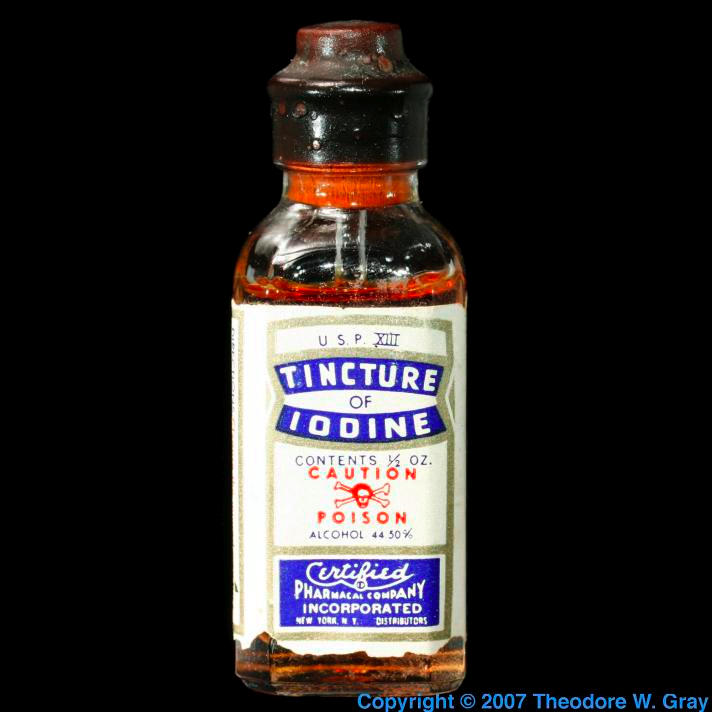
Iodine/Betadine
Alcohol
Oral electrolytes (for dehydration from
fever, diarrhea, stress)
Cold remedies
Cough medicines
Cough drops/throat discs
Bandages
Gauze
Cotton
Surgical tape
Scissors
Hemostats
Tweezers
Needles to remove slivers
A dental kit to patch dentures,
replace fillings, etc.)
You may choose to include more, depending on your medical experience and background.
Medical needs
Build up an extensive medical kit. We use a large field box, which has two levels and many compartments. Get as much medical training as you can, such as EMT classes, held locally. You might not want to become an EMT, but you can learn much that will help your family in an emergency. Buy a good book or two, such as the Red Cross First Aid manual and the Merck Manual. Then stock up that medical kit.
Remember that "normal" things, such as cold medicine, may not be readily available.
Both my husband, a CNA, and I, a veterinary field technician, have extensive medical experience, so we include in our medical kit sutures and suture needles, injectable local anesthetic, an IV and IV electrolytes, epinephyrine for shock due to allergies or drug reaction, a blood pressure cuff and stethoscope, plaster casting material, and more. One never knows if, and when, a doctor will be available during bad times. Of course, if a doctor is available, one should never attempt to treat their own or others' injuries or illnesses.
Other high priorities
A radio and batteries are other must-haves. This keeps you in contact with what's going on in the world. There are several brands of solar powered radios on the market today for not a lot of money. Batteries must be replaced or recharged. We also have a weather radio to keep up on weather conditions which can affect one's life much more when times are tough. Listening to this 9-volt radio each morning keeps us in tune to Mother Nature.
Does your family have adequate warm, sturdy clothing? If not, this is a high priority. Buy good hiking boots, jeans, and clothing that is practical, long-lasting, and warm. If you never need 'em, they won't take up much space in a closet. If you do, they will become essential.
How about alternate transportation...not your car or pickup? Walking is fine, but doesn't cover many miles in a day.
Some alternatives are bicycles, ATVs, motorcycles, snowmobiles (in snow country), and horses. All take much less gas to run than a car or truck, and bicycles and horses take none at all. Remember you don't have to use a car or truck, even though you are used to it. The Amish and other plain people have always used horses and other non-motorized vehicles for travel, and in Europe and many other countries bicycles are the norm for a lot of folks.
Checklist for stay-at-home emergencies
• Food and water for family, pets & livestock for at least 14 days; 55 gallons of fresh water will last a family of four for over seven days.
• Daily medications for family for 14 days
• Alternative heat source & fuel
• Alternative cooking source & fuel
• Alternative lighting source & fuel
• Flashlights & batteries
• Transistor, crank or solar radio
• Medical kit
• Matches
• Butane lighters
• Magnesium, flint & steel fire starter
Stay-at-home emergencies
Some emergencies, such as severe ice storms, power outages, and blizzards, occur every year or so in many cold-climate areas, more frequently in other areas. This past year El Nino has contributed to widespread flooding in areas unused to flooding, and to major storms in areas unused to major storms. All these things created emergencies that largely demand people stay where they are out of common sense.
Remember, without power, you will not have access to stores for food and supplies, banks and ATMs for cash, a flush toilet, drinking water out of the tap, your furnace fan (or heat at all, if you have a "modern" all electric home), the electric kitchen stove, gas for your car, and many other "normal" conveniences you are used to.
The food in your refrigerator will slowly spoil and the food in your freezer will slowly thaw, then rot.
Luckily, there's a lot you can do to keep on top of such a situation. Number one, begin a game plan of not depending on electricity. Power is fine. It's handy, convenient, and easy. Just don't depend on it.
Getting along comfortably without electricity
Trade in your electric stove for a gas range that does not have electric ignition. It will work when there is no electricity. Better yet, buy a wood range for the kitchen or basement. Trade in your electric refrigerator for a gas unit. Not only will it run without power, but it keeps food much better and lasts for many more years. Have at least a back-up heating unit that does not depend on electricity to run or to power the fan. A wood stove, a propane or natural gas wall furnace, or a space heater are all more dependable than a central furnace requiring electricity to provide heat for the home.
Sanitary concerns
Build an outhouse. What? Yep, even if you live in the city, discreetly dig a hole and build a "garden shed" over it. UmHmm, I know it's not "legal" in many localities, but in an emergency, you can use it and keep your home much more sanitary and sweet smelling. No emergency? Use it for a garden shed. Remember too that urine is normally sterile and can be diluted with water and poured around trees as nitrogen-rich fertilizer. If it is totally impossible to construct an outhouse, keep urine separate and dispose of discreetly. Solids may be buried daily or you can even use a "kitty litter" box, keeping them covered after each use. Toilet paper may be bagged and burned or kept for later dumping.
Alternative lighting
Decide on what emergency lighting you will use. A lot of folks prefer to buy a generator to power their entire home during a short to moderate power outage. We prefer not to have to depend on generators running 24 hours a day; we use one for an hour or so and then only as truly needed. Remember, gasoline or diesel fuel may be exceedingly hard to get. Don't waste it for luxury. We have used propane wall lamps, which give good light and are cheap to run; Coleman lamps, which also give good light, but must be pumped up to pressure from time to time; and kerosene lamps. Candles can do once in a while, in a pinch, but are easily upset, and are dangerous to use. Be sure you have a good supply of matches, as you'll need more than you think. A few butane lighters also come in handy. I also keep a flint, steel, and magnesium fire starter, just in case. The magnesium burns very hot so it will light a fire, whether your fuel is wet or dry. You can buy them at the Preparedness Expos all around the country.
Survival doesn't have to mean stark times of doing withoutSurvival doesn't have to mean stark times of doing without
Food and drink
Have enough food and emergency water stored up if you don't have an alternative water supply, such as a well with hand pump, spring, or cistern. Never drink any surface water, such as from a lake or stream, that is not either filtered with a good filter to remove contaminants such as giardia, which causes terrific diarrhea, or boiled for five minutes after straining off the major silt. You can treat questionable water with iodine, in drop or tablet form, but personally, I think the taste is awful. I prefer boiling, cooling, then shaking the water container vigorously to re-oxygenate it, which dramatically improves the taste. Never drink any water from a lake or stream in or downstream from agricultural land (leaching nitrates from fertilizer) or factories/mines (heavy metals, toxic wastes), as these may escape all but the most expensive filters. Boiling will not make the water drinkable.
You can obtain water for washing and flushing the toilet from several sources: melting snow, ditches, ponds, livestock tanks, rivers, and other surface water. These will all do the job. When your water goes into an urban sewer, be sure you can "dump flush" the toilet, however, as some systems depend on pumps (electricity) to move the sewage. Check it out before you need to.
Vehicle emergencies
A lot of our day-to-day emergencies involve being stranded with our vehicle. A mechanical failure, a flat tire, being stuck in the snow, stuck in the mud and so on can make life miserable. We need to make it less miserable—and not life-threatening as it can sometimes be.
Vehicular emergencies are compounded by other emergencies. If you are stranded in a blizzard, possibly because of an evacuation or civil disturbance, it can quickly lead to a life-threatening situation. You should prepare for these situations also.
Checklist for vehicle
emergency preparedness
Jack & lug wrench
Spare tire
Shovel
Battery jumper cables
Basic tool kit
Fix-A-Flat
Oil
Lighter air pump
Gallon of drinking water
Blankets
Basic first aid kit
Flashlight
Emergency food
Candles with matches
Map
Cell phone or C.B. can
be a life saver
It may seem basic, but always know where you are, and know the best route to take to get to where you are going. Carry and use a map.
In cities, avoid "bad" neighborhoods, even if it requires going out of your way. Pay attention to weather conditions when you drive, and prepare accordingly. It's shocking to us to see folks in cars during cold, unpredictable winter weather, dressed in shorts and sandals. That's playing Russian roulette. Wear warm clothes during cold weather, or at least have them with you, including warm socks and boots.
Even in summer take some warm clothes along with you. Some evenings get downright cold in many areas, especially when there is a drizzly rain pouring all night.
If the weather is really bad, don't drive. Seems logical, but a lot of unprepared folks set out into the teeth of a blizzard or hurricane because nothing is going to disturb their plans. Waiting a day or two is a lot safer. Listen to a weather radio or current weather forecast before setting out. Even a four wheel drive can run into icy roads or drifted snow and have trouble.
If you do get stuck or stranded by a mechanical failure in bad weather, stay with the vehicle. A lot of folks lose their lives by trying to hike for help. In a vehicle, there is absence of wind, making comfortable survival much more certain. Your candle can heat the inside, warn other motorists of your presence, and attract the attention of rescuers. But be careful! Everything inside a vehicle burns with toxic smoke and ignites easily. Keep a down-wind window cracked to prevent carbon monoxide poisoning, especially if you run the vehicle (with the tailpipe in the clear) from time to time, to keep warm.
A plan, truck, survival pack for short-term evacuation
There are many situations where you may be suddenly called upon to evacuate your home: forest fire, hurricane, earthquake, chemical spills by truck or train, flood, or even radical emergencies such as terrorist activity or riots. To prevent panic, be prepared, much before anything of the sort happens.
We also have our favorite photo albums, important papers, and keepsakes localized for instant grabbing.
Have a "plan of action" worked out, discussed with all family members. Where you will meet? Who will carry what, and where you will go—a relative's house, a campsight on state or federal land? If you always keep on top of the weather, the news, and local conditions, you will have a jump-start on evacuation, allowing you to prepare beforehand and avoid panic.
Remember, no personal goods are worth the life of a family member. If an intense hurricane or forest fire is headed your way, make ready to leave. Wet the roofs, batten the windows, do whatever you can do. But when it's time to evacuate, get out before the roads jam with traffic.
Have the car/truck fully gassed up and carry some reserve gas in cans....just in case. Carry not only your "grab and get" supplies, but be sure you have maps and your vehicle emergency equipment, as well. Try to stay out of main traffic areas/jams and stay out of dangerous areas, i.e., near the path of a fire, the chemical spill, the riot, etc.
It's a good idea if every member of the family has his/her own survival pack. Even a cheap backpack containing warm clothing, food, water, a lighter, candle, first aid supplies, etc. will provide extra security if family members become separated or if someone forgets something.
A survival retreat for long-term evacuation
All families today should have a safe place they can evacuate to should things get dangerous in their home area. This is especially true for city-dwelling people. Such possible realistic scenarios as riots, often due to poverty, hunger, and anger at situations that seem to have no resolution; terrorist activity, which even the government fears is on the imminent increase in the U.S.; missile destruction of areas, which will become more possible as desperate Russians sell missile technology to terrorists; and severe economic depression or collapse, which, considering the current global economic mess, may be the most likely scenario of all.
Evacuation Needs
Storage food in large cooler #1 Instant potatoes
Dry milk
Canned tuna
Dehydrated eggs
Dry noodles
Flour
Shortening
TVPs
Dry soup mixes
MREs (military instant Rice
meals; meals ready to eat)
Dry beans
Margarine powder
Dehydrated fruit
Dehydrated vegetables
Tomato powder
Baking powder
Salt
Spices & condiments
Pudding mixes
Cornmeal
Instant coffee, tea, drink mixes
Sugar
Kitchen box in large cooler #2
Frying pan
Large pot
Smaller pot
Mixing bowl, steel (can double as cooking utensil)
Matches & lighters
Toilet paper
Paper towels
Dish towel
Dish soap
Candles
Dish scrubber pad
Bowls for family
Silverware for family
Metal spatula
Roll of duct tape
Small roll of wire
Metal cups for family
Small water filter
Propane stove & tanks
Flashlight & batteries
Hatchet

Medical Kit (as previously detailed)
Sleeping Gear (in large plastic box)
Sleeping bags
Candles & lighters
Coleman lantern
Unopened gallon of lantern fuel
Bow saw
Warm socks & jackets
10' x 12' plastic tarp
lightweight tent
Radio
Rifle/shotgun and ammunition (food procurement, signaling, and family protection)
Personal backpacks
Warm clothes
Emergency food
Socks
Stocking hat
Basic fishing gear without rod
Small first aid kit
Space blanket
Flashlight
Roll of wire & rope
Pocket knife
Canteen with cup
Lighter
A few dollars in quarters & bills
This retreat can be called a summer home, a vacation home, hunting cabin, or whatever. Calling it a survival retreat immediately brands you as a nut-case radical. Just quietly go about your business, not making waves or attracting attention, and secure your hideaway.
This safe spot should be located at least an hour's drive from a city—two hours from a large urban area such as an L.A. or Chicago-type metropolis. A rural location is great, but a more remote place is even better. Some folks freak out at this, preferring a small rural town setting. That'll work, too, as a close small community can work together. But we've found that that is not always the case, and we prefer to keep to the boonies.
You want something with a little acreage in case you must raise all of your food. Some people claim you can raise all your family's food on a small 50 x 50-foot garden. Nope, you can not! When you must can all winter's food, raise all of your small grain and corn, and grow feed for any livestock you have (chickens, rabbits, etc)—and take into consideration weeds, drought, and predation—you will need more land, at least two acres to feed your family well.
Forget living off the land. This sounds radical for a self-reliant, wilderness-living person such as myself, but it's true. Sure, one family can survive living off the land, but when a significant portion of the nation lives off the land, the game is quickly killed off. It happened during the homestead days all over the nation. Even Indians starved because they were forced to eat what they could scrounge up in a limited area (reservations), and there was not very much left.
It is a great idea to learn to supplement your diet with wild foods. (Supplement, not live off.) There are many wild plants that can regularly be incorporated into the daily meal plan that are not only readily available, but nutritious and tasty. A good book on the subject is Guide to Wild Foods by Christopher Nyerges, who writes frequently for BHM and whose book is available through the magazine. He also offers courses on wild foraging.
Experiment before you need to forage for dinner. Remember there are some poisonous plants that will kill you if you eat them. You need to learn the good from the bad, the edible from the tasty. Get Nyerges' book.
Your retreat needs to have non-electric capabilities (or PV power), well or spring water, wood heat, and alternative lighting, with appropriate fuel stored up in advance.
The sooner you get started the better, for you can plant an orchard, berries, and perennial vegetables, such as Jerusalem artichokes, asparagus, etc., allowing time for them to mature to bearing age. You can also have adequate time to slowly stock up on food and other supplies, work the garden plot up very well, fence any land you need to, develop irrigation, etc.
Where should the survival retreat be located? That's largely a personal preference. We love the very remotecountry: central Alaska, northern British Columbia, the Montana and Wyoming and Idaho high country. But it's certainly not for everyone. Many more folks would be happier with the plains states: Maine, Arkansas, Missouri, or Minnesota. You can still find very rural areas, far from a freeway or big city, and find it easier to raise food for the family.
And the survival retreat does not need to be expensive. I have personally priced many retreats, in diverse locations, nationwide, priced below $35,000.
Choose the retreat with care, taking into consideration such things as nearness to a freeway (dangerous refugee traffic in some scenarios), nearness to a military or other strategic government location (possible missile or terrorist strike), nuclear plant (possible malfunction or terrorist strike), below a dam (possible rupture and flooding), or near any factory, chemical plant, etc.
The decision to evacuate
The decision to evacuate for long term, perhaps forever, of one's home is stressful and highly personal.
It's best to leave before a situation becomes very serious. There are several reasons for this. First, there will still probably be gasoline available. The roads will be relatively uncongested, as most people have a tendency to wait until the last moment to leave, hoping desperately that things will get better. Travelling will be less stressful and much safer. A hoard of panic stricken, angry, hopeless people, even the "nicest" people in the city, could become dangerous.
Take a good map and trace out a route, avoiding freeway-congested areas and large cities, even if it means going miles out of the way. We would prefer to stick to backroads and minor highways. Drive this route often during normal times to familiarize yourself with it and work out any possible problems.
People today have largely become spoiled, being used to a relatively easy life (regardless of the stress of "the rat race") with all the goodies and toys. They have forgotten how to live frugally, save money, provide for their own food, keep warm, safe, and dry.
I know of one intelligent young man who went to Alaska to live off the land. He killed a moose, then later almost starved because he didn't know how to preserve the meat. It rotted.
clay55_1.jpg - 12886 BytesMoving into your survival retreat can be easy if you plan ahead
When people suddenly lose all they have: the homes that were not paid for, the easy living, and the well paying job, they will panic, angrily demanding to remain in their past lifestyle. And angry "nice people" can get ugly.
During the last upheaval, the Great Depression, folks were much less spoiled, and for the most part they had basic living skills. Women knew how to garden, raise small livestock, make meals from scratch, make soap, sew clothes, etc. Men knew how to maintain machinery, raise crops, raise large livestock, cut firewood, etc. All, including children, knew how to work hard to survive. This is a skill greatly lost today, as are the basic living skills. And Depression-era folks had always known hard times, and they were more prepared to face them.
Our goal today should be to regain some of our independence and self-reliance, and to be prepared for any hard times in our future, whether they are slight, short lived, or more violent and long-term.
A year's food supply for your family
   This is a sample list for my family, which is a family of three. Your family needs may differ quite a bit, due to your meal preference. However, if you use this list as a base, you won't go hungry. It also allows for "company" meals. This is a realistic pantry supply to last a year comfortably. Remember to rotate your supplies, using the oldest first, replenishing as you use, in order to keep relatively fresh foodstocks.
    If you have a family of 4, increase the amount by 25%, a family of 6, by 50%, etc.
Grains• 300 pounds of hard wheat or in combination with 150 pounds of wheat and 150 pounds of flour.
• 50 pounds of dry corn to grind for cornmeal
• 50 pounds of soft wheat
• 50 pounds white rice
• 50 pounds brown rice
• 50 pounds oatmeal
• 25 pounds of masa harina de maize (corn flour for tortillas and tamales)
Legumes
• 50 pounds of pinto beans
• 50 pounds of combined other beans, such as navy, kidney, etc.
• 20 pounds of split peas
• 20 pounds lentils
Dairy
• 18 #10 cans dry milk or in combination with boxes of store-bought dry milk
• 2 #10 cans cheese powder
• 5 #10 cans dehydrated eggs
• 3 #10 cans butter or margarine
Sugar
• 50 pounds white granulated sugar
• 10 pounds brown sugar
• 10 pounds powdered sugar
Shortening/Oil
• 10 3# cans shortening
• 5 48 fl. oz. bottles vegetable oil
• 2 16 fl. oz. bottles olive oil
Salt
• 10 pounds non-iodized table salt (used in pickling & meat preservation as well as table use)
Fruits
• 52 pints peaches
• 52 pints apple sauce
• 52 pints fruit cocktail
• 52 quarts apples (includes pies, etc.)
• 52 pints pears
• 104 pints misc. fruits
• 1 #10 can raisins
• 1 #10 can dehydrated strawberries
• 2 #10 cans dehydrated apple slices
• 2 #10 cans dehydrated banana slices
Vegetables• 104 pints of green beans
• 104 pints of sweet corn
• 104 pints of carrots
• 104 quarts of tomatoes
• 104 pints of tomato sauce
• 104 half pints tomato paste
• 104 quarts of potatoes and/or 22 pounds instant potatoes
• 26 quarts of squash or pumpkin
• 26 pints beets
• 2 #10 cans dehydrated sweet corn
• 4 #10 cans dehydrated peas
• 1 #10 can dehydrated onions
• 2 #10 cans dehydrated broccoli
Pasta
•15 pounds spaghetti
•6 pounds assorted noodles
•6 pounds lasagna
Meat
• • 52 pints lean beef/venison roast
• 52 pints chicken/turkey
• 52 pints ham/fish/misc.
• 52 cans tuna
• 52 cans Spam
• 52 pints home canned hamburger for tacos, casseroles, etc.
• 1 #10 can ea. TVP (textured vegetable protein), bacon, chicken)
Seeds
A heavy selection of garden seeds to replenish your food supply, should the period of hard times last longer than a few months. Always opt for the worst and prepare ahead.
Most garden seeds last for years, if kept dry. One notable exception is onion seed, which should be replaced yearly.
Miscellaneous
• 1 pound baking soda
• 3 pounds baking powder
• 1 pound dry yeast
• spices usually used
• 25 dozen canning jar lids, wide mouth & regular
• coffee, tea, powdered drink mixes in sufficient quantity
• A grain mill to grind grains
• An Amish or other "cooking with basics" cookbook or two
• 1 gallon inexpensive pancake syrup
• An assortment of "treats", such as pickles, jams, preserves

Monday, February 17, 2014

It Doesn’t Take Much For People To Start Behaving Like Crazed Lunatics

Tyler Durden's picture


Submitted by Michael Snyder of The Economic Collapse blog,
If an ice storm can cause this much panic in our major cities, what will a real crisis look like?  The biggest news story in the United States right now is the "historic ice storm" that is hammering the South.  Travel will be a nightmare, schools and businesses will be closed, and hundreds of thousands of people will lose power.  In fact, it is being projected that some people could be without power for up to a week.  But at the end of the day, the truth is that this ice storm is just an inconvenience.
Yes, the lives of millions of Americans will be disrupted for a few days, but soon the ice will melt and life will be back to normal.  Unfortunately, it doesn't take much for people to start behaving like crazed lunatics.  As you will see below, the winter weather is causing average Americans to ransack grocery stores, fight over food items and even pull guns on one another.  If this is how people will behave during a temporary weather emergency, how will they behave when we are facing a real disaster?
This is a perfect example that shows why it is wise to always have emergency food supplies on hand.  According to CNN, all that is left on the shelves of some grocery stores in Atlanta is "corn and asparagus"...
As the skies turned heavy, Atlantans cleaned stores out of loaves of bread, gallons of milk, bundles of firewood and cans of beans and beer. In some stores, all that was left were the apparently less-popular corn and asparagus.
And according to an Infowars report, some people down in Atlanta were actually getting into fights over basic essentials such as milk and bread...
Atlanta residents ransacked neighborhood grocery stores in frantic preparation for their second major snowstorm of the year, waging fights over food items and leaving destruction and empty shelves in their wake, a stunning precursor to what will ensue once a major crisis impacts the U.S.

After three inches of snow shut the city down two weeks ago, causing major havoc and leaving miles of cars stranded on immobile roadways, the residents of Atlanta took heed and shopped early.

According to people who Tweeted photos of barren store shelves, residents went crazy over essentials like milk, bread, water and eggs, and in some cases “people were fighting. Yes fighting,” alleges one user.
The photo that I have shared below was posted to Twitter by Kris Muir.  It shows what the bread aisle at a Kroger in the Atlanta area looked like as the storm approached...
Bread aisle of a Kroger in the Atlanta area
So what would happen if this was an extended crisis and you had not stored up any emergency supplies for your own family?
That is something to think about.
And just like during the last major winter storm in the South, there are reports of hundreds of vehicles being abandoned on the side of the road in major cities.  For example, just check out what has been happening in Raleigh, North Carolina...
"I live and work in downtown. I was able to get from my office back home. My wife works in Morrisville, about 25 minutes away. She left the office at 12 p.m. and is still on the road. I am coaching her home with Google Maps. It appears that, from WRAL TV, the ramp from Wade Avenue to 440 is blocked by abandoned cars. That is a HUGE ramp (downtown Raleigh to highway)."
We are also seeing quite a few reports of "snow rage" as this cold, snowy winter drags on.  In fact, on Sunday someone actually pulled out a shotgun and threatened to shoot a snow plow driver on Long Island...
As CBS 2’s Carolyn Gusoff reported Tuesday, people have found themselves fed up with the hassle of plowing, shoveling and salting. In fact, they have been pushed to the edge, to the point where they have been taking out their frustrations on plow drivers.

Eric Ramirez, a snow plow driver on Long Island, said an irate man went so far as to rack a shotgun Sunday and threaten to shoot him because he was piling snow in front of the man’s Manorhaven home.
And a similar incident involving a pistol was recently reported in Union Township...
The incident happened Monday afternoon along Underwood Street in Union Township.

Police say Eckert became angry when the self-employed driver, John Abraham, accidentally pushed some snow into his yard while cleaning a neighbor’s driveway.

“I went like this to put it in park and there was a gun right here in my face,” Abraham said.

Eckert is then accused of taking a .22-calibur pistol out of his coat, and pressing it against Abraham’s cheek, telling him to remove the snow.
As I write about so frequently, the thin veneer of civilization that we all take for granted is starting to disappear.  A whole host of surveys and opinion polls have shown that Americans are angrier and more frustrated than ever.  Our society has become a ticking time bomb, and it isn't going to take much for it to explode.
When it does explode, most people are going to be depending on the government or someone else to take care of them.  The following is a brief excerpt from a recent article by Mac Slavo...
Despite warnings from FEMA, as well as the prevalence of popular preparedness TV shows, Americans still don’t seem to understand how susceptible we are to a complete destabilization of life as we know it. It boggles the mind that most people seem to think that when disasters strikes they’ll be able to depend on someone else to provide them with assistance.
Fortunately, at least a few people seem to be learning some lessons about the importance of being prepared from these winter storms...
"Last time I was totally unprepared, I was completely blindsided," said Lisa Nadir, of Acworth, who sat in traffic for 13 hours and then spent the night in her car when the storm hit Jan. 28. "I'm going to be prepared from now on for the rest of my life."
What about you?
Are you prepared?
We live at a time when our world is becoming increasingly unstable, and it doesn't take much to imagine a bunch of scenarios in which this nation would be facing a major crisis for an extended period of time...
-A major eruption of Mt. Rainier or the Yellowstone supervolcano
-The "Big One" hits California
-A massive earthquake along the New Madrid fault line
-A highly infectious pandemic that kills tens of millions of Americans
-Hackers bring down the Internet or crash the banking system
-A massive tsunami hits either the east coast or the west coast destroying numerous major cities
-A major war erupts in the Middle East and the United States gets involved
-A crisis involving North Korea sparks a major war in Asia
-A terror attack that specifically targets our power grid
-A terror attack involving a weapon of mass destruction in one of our major cities
-A terror attack or a major natural disaster causes one or more nuclear facilities in the heart of the United States to experience a "Fukushima-like crisis"
-A massive EMP blast that fries our electrical grid and our communications systems
-Last but certainly not least, a massive economic collapse that fundamentally changes life in America on a permanent basis
So what do you think?
http://www.zerohedge.com/news/2014-02-13/it-doesn%E2%80%99t-take-much-people-start-behaving-crazed-lunatics

Thursday, February 13, 2014

Super Easy Survival Bread

Like all things survival you need to LIVE IT day to day, not just stick it in a closet and hope you never have to use it! If you’re storing wheat and all hell breaks loose….what do you do? Bake bread of course! But do you know how?
If you are new to baking your own bread it can seem like a daunting task but it really isn’t.  You don’t need yeast, sugar, baking soda, or really anything but flour and water. Everything else is optional. Here’s a basic recipe to get you started.

Super Easy Survival Bread (SESB)

Homemade bread

1 cup of fine whole wheat flour (buy from store or grind your own)
2 tbsp. of olive oil (optional, also regular vegetable oil works too)
1 tsp. salt (optional, add more or less to taste)
1/2 cup of water
Mix all the ingredients in a bowl and scoop it togther into a ball. Lightly dust a cookie sheet, rock, or other flat surface with flour. Pour the dough ball out and knead for 5 mins. Roll out to about 1/8″ thin and bake at 350F for 20 mins.
Powers out? No oven? Put it in a dutch oven instead and cook it over a fire. No dutch oven? Throw it on a heated flat rock – or even in the ashes if you don’t mind some grit and charcoal flavoring - and flip it a couple of times till lightly brown and firm.
This will serve about 3-4 people if eaten as a side with a meal, or make about 2 sandwiches. The below nutritional info is for the entire loaf.
Nutritional info without olive oil
Calories
407

Fat
2.24g

Carbs
87.08g

Protein
16.44g

Nutritional info with olive oil
Calories
645

Fat
15.74g

Carbs
87.08g

Protein

Monday, February 3, 2014

Live Like a Prepper but You Don’t Have to Be a Prepper: A Tale of Two Cities

Todd Walker
Survival Sherpa
January 31st, 2014
Thanks Dagny!!!

[Todd's note: Follower's of this blog know that I am a lover of unconventional wisdom when it comes to health, nutrition, and fitness... which I consider your most important prep. I discovered Dr. Dan Strickler (Paleo Doc) in his post at SurvivalBlog a few years ago. His advice confirmed my Primal prepping lifestyle. He graciously agreed to write this article for Survival Sherpa readers. Thanks, Dan! Enjoy! To connect with Dr. Strickler, see his bio below.]
By Dr. Daniel Strickler
I live half of each week in Asheville, NC and the other half of the week in Charleston, WV, these cities are of similar size but the mindset of each group is very different.  Asheville would be a wonderful place to be if there were an “event” that took society back a century or two.  The population of Asheville has the mindset that makes them a great prepper society.  Many people raise their own chickens, have permaculture yards, have gardens, and there are many small farmers.  You have people with bees, people making butter, old-fashioned soap makers, and even people making clothes.  These are just some of the things you can find at any of the five or so farmers markets that are going on around town on various days of the week.  People here are also very environmentally conscious and active in promoting it.
Charleston, WV is very different, it has the potential to be like Asheville, but it is not and I am not sure why, especially with its recent history.  In July of 2012, Charleston was one of the hardest cities hit by the derecho.  Power was out over most of the state, the shortest power outage in our area was five days and these days were in the upper 90’s.  Gas stations could not pump gas, stores were closed but it did not matter because they had no drinks after day 2 and we had a boil water advisory.  People were panicking….no food, no water, no gas to get anywhere, and no air conditioning.  This was the first wake up call, some heeded this warning and did some stocking up but many sat back and blamed the government for their failures.  Round two occurred just two weeks ago; a toxic organic chemical used to process coal leaked around 10,000 gallons into the river a mile upstream from the water processing plant that supplied water for over 300,000 residents.  Not sure who allowed this chemical to be stored upstream in the first place but the tanks had not even been inspected for 23 years.  The EPA was not even familiar with the risks of the chemical.  Residents are told do not use the water for bathing, washing clothes, and certainly not for drinking.  All restaurants are shut down, stores are out of water and drinks within 24 hours.  The chemical is finally low enough after five days of this to allow some residents to flush their pipes, three days later we are told a new reading shows the level too high again.  People leave town because they have no water and cannot clean, cook, or stay hydrated.  You would think that most of these people would have been prepared.  Unfortunately, most did not learn their lesson the first time and now complained again about the government failing to take care of them.  Now, Charleston is the chemical valley, there are major chemical plants all up and down the rivers.  Coal and the chemical industry is the life-blood of this region and the reality is; this was going to happen at some point.
I tell this story to first illustrate the point that few people are prepared for these short term emergencies and live in a world where, in their opinion, the government will be there to help.  This demonstrates two emergency situations in a short time frame in one town.  Secondly, I bring this up because it is a real test of preparation.  I had water and food and at no point did panic set in.  I also had a back-up, Berkey water filters, and so I did not concern myself about the water running out.  The black carbon filters along with the PF-2 chemical filters can pretty much make any water potable.  I do not keep a huge stockpile of dehydrated and canned food (3 months for 7 people) and you will see my reasoning in the next part of this article.

Why Prep?

Let’s start by asking: what are you prepping for?
Financial collapse of society?
EMP, solar flare, computer attack that shuts down the grid?
Super volcano or major environmental shift?
Massive pandemic?
It’s really not possible to adequately prep for all of these so you are really taking a gamble if you select one to be your focus.  Also, lets face the fact that in some of these scenarios – does it really matter?
Let’s first eliminate super-volcano and major environmental shift, not only would survival be near impossible but life would be pretty miserable for those that did.  Now pretty much all other scenarios will involve a significant culling of the population but the time frame for this culling is what will dictate the adequacy of the preparations.  If a massive pandemic quickly eliminates 80-90% of the world population then the mindset of most preppers will be justified.  By this, I mean having a retreat or homestead with plenty of stockpiles would be beneficial.  However, the other scenarios where the culling is gradual then this type of mindset could get you killed.
If the grid goes down, people will get desperate and the more hungry they become the more desperate they become.  Desperate people will not reason with morality in mind.  Violence will undoubtedly run ramped and gangs will form up knowing the power in numbers.  The cities will quickly empty and these gangs will head for the countryside’s.  You say you have guns but so do they and they will significantly outnumber you.  Unless you are prepared to spend a few years in a nuclear missile silo then you will lose your preps.  No matter how fortified and well armed you are, you will eventually be overrun.
What about food?  You cannot sustain yourself on years of dehydrated and canned foods.  The slightly unbalanced nutritional mix will eventually catch up with you.  Some have said they could hunt for their food.  Think again, based on the deer population and the number of hunters, the deer herd will be completely wiped out in a few weeks and besides a gunshot in the woods will be like a dinner bell for everyone else out there with a gun.
What about the heirloom seeds you plan to plant to get your garden going?  Again, those marauding hordes will enjoy feasting on that garden when they come.
So what is my recommendation?
We need to get back to basics and learn to live like humans did for hundreds of thousands of years – like hunter-gatherers (HG’S).  Those that are successful at this will be the ones that will go on to build the next generation after an apocalyptic event.

Start Here

Where to begin?
Something that I have spoken about many times before is your health and fitness level.  So many preppers focus on their “preps” but that will be a limited resource.  If you are truly anticipating some major apocalypse then you need to focus on your own health and fitness.  HG’s generally do not survive long if they do not possess a certain degree of fitness.  First, you need to get any excess weight under control and work on resolving any health issues.  Those that are relying on medications to survive will likely not last too long.  Exercise, I am not talking about treadmills and nautilus machines.  I am talking about functional fitness.  Train like you will live.  Strengthen the movements that will be required for daily function.  Basic movements can consist of push-ups, squats, and pull-ups.  Add some long hikes with a pack and also throw some sprints in there.  When I say sprints I mean short bursts of running at your top speed.  Climb things.  Jump around.  Parkour training is an excellent option.
Water: This is life or death.  Learn to identify safe sources of water.  For several months you may be fine using portable filtration devices but these will eventually become depleted.  Learn how to derive water from sources in nature and how to use items in our natural environment to filter the water.
Nutrition: As I said, dehydrated foods will only get you so far and that assumes that you are able to keep your cache.  We must learn to forage off the land.  In most post-apocalyptic scenarios, we are going to need to be mobile at least for the short-term (a few years).  Our forests are full of life-sustaining nutrients and we need to learn how to obtain them.  Buying a book on edible plants and thinking that you will use it when needed is a recipe for disaster.  Many people will look at plants and identify them incorrectly in their field guide and end up poisoning themselves.  There are many available weekend courses on foraging.  Getting a good understanding of plants can also help with being able to identify medicinal species.  You will also need a source of meat.  One of the most successful hunting techniques is trapping.  These small animals are abundant and few of the surviving population will understand the techniques to obtaining them.  This also does not require a gunshot.
As things begin to settle down then you should also consider settling down but not as a mountain man hermit type.  Successful living will require community support.  Once the gangs have dwindled and died out, survivors will begin to gather together in communities to rebuild society.  It is helpful to possess a skill that can contribute to these groups; farming, making clothes from hides, medical care, bee keeping, and other more basic crafts.
I am not telling people to abandon their current ways of prepping but rather to think about contingencies.  Prioritize the process.  No matter what the scenario, your health and fitness level will be paramount so if you have neglected this area so far then make it a higher priority.  Spend some money on a personal trainer or nutrition coach instead of another gun to add to your stockpile.  Take a course on foraging instead of adding another 3 months of dehydrated food to your stores.  Lastly, organize around a group of people who have complimentary skill sets.
I will add that I am not someone who expects this societal collapse to happen but these types of events can be highly unpredictable so it is always good to be prepared as I have learned from experience.
Author bio:
Dr. Stickler trained in allopathic medicine and held board certification in General Surgery for more than ten years; performing general and vascular surgery as well as over 3,000 gastric bypass weight loss procedures. He had a thriving surgical practice and was a specialist in weight loss, treating over 10,000 clients in both the surgical practice and at the wellness institute. The busier he became the more he began to realize that true health is not a result of pharmaceuticals and stainless steel. He discovered that the clients at the wellness institute were making remarkable progress through nutrition, fitness and lifestyle counseling and hormone optimization.  Not only were they resolving disease, they were optimizing health, regaining vitality, improving neuro-cognitive status and creating lasting changes.
This realization led him to the understanding that he could leave the old methods behind and fully embrace the new paradigm of health optimization. He retired from surgery and now knows that each individual has within them the ability to achieve optimal health and live a life full of vitality. He works closely with each client to develop individualized treatment regimens and provides extensive guidance throughout the year to assist the client in achieving their goals.
Dr. Stickler is an avid outdoor enthusiast who thrives on rock climbing, mountain biking, snowboarding, hiking and world adventure travel.  He is a member of the Wilderness Medicine Society, Age Management Medicine Group and is CrossFit Level 1 certified and trained in Mountain Athlete. He and Mickra have five active teenage boys who live for adventure.
WebsiteSynchronicity Wellness
BlogPaleoDoc
FacebookPaleo Doc
Delivered by The Daily Sheeple

Contributed by Todd Walker of Survival Sherpa.
Todd Walker is married to the lovely Dirt Road Girl, proud father and grandfather, a government school teacher, a lover of the primal lifestyle and liberty. You can check out his website at Survival Sherpa with a vision of helping each other on the climb to self-reliance and preparedness…the Survival Sherpa way…One step at a time. Follow him on Twitter. Send him mail: survivalsherpa@gmail.com

Wednesday, November 13, 2013

8 killed storming rice warehouse in typhoon-ravaged region of Philippines


November 13, 2013 - Manila, PHILIPPINES - Struggle for survival has killed eight people in Tacloban in Philippines today. A huge crowd stormed into a rice warehouse in the city and as a result, a wall collapsed, killing 8 people instantly. There is a shortage of food, safe drinking water, clothes and everything necessary in the Haiyan-devastated Philippines. Police and security agencies guard malls, shops, warehouses and camps to stop angry people from attacking them. There are also reports of armed gangs looting the shops and malls. The crowd took away almost 1 Lakh bags of rice, each bag weighing 50 kgs, authorities reported. According to United nations data, more than 10,000 people have died in the typhoon. Haiyan was described as one of the most powerful storms ever in the world. UN says it has a huge amount of job to be done in Philippines and Vietnam where the wind caused maximum destructions. “We have not been able to get into the remote communities,” UN humanitarian chief Valerie Amos said in Manila. More than 11 million people are said to be affected by the storm.  “Even in Tacloban, because of the debris and the difficulties with logistics and so on, we have not been able to get in the level of supply that we would want to. We are going to do as much as we can to bring in more,” she said. –One India

Wednesday, November 6, 2013

23 Items Under $5 That Can Save Your Life!

(thanks Dagny!!)


Jill shares - I grew up in sunny California, and even though I have now lived in Utah for nearly 20 years, I still get this unsettled feeling whenever winter starts to settle in. When I think of how COLD it gets and the things that could potentially go wrong while on the road, or even at home should the power go out, I am reminded of how woefully prepared I am for such emergencies.

I recently came across this article on OutdoorLife.com about $2 items that can save your life and it was just the nudge I needed to at least get SOMETHING together for an emergency kit. Whether it’s a winter survival kit, or just a survival kit in general….you don’t have to spend a fortune to get started. When you think about it, sometimes the most valuable things in an emergency are also the cheapest things you can buy.
Here are some $5-or-less emergency prep items to get you started on your way to self-sufficiency.
follow link - http://www.onegoodthingbyjillee.com/2013/11/23-items-under-5-that-can-save-your-life.html

Saturday, November 2, 2013

Moccasin boot hybrids - old meets new

One of Joe O'Leary's many handmade survival projects

And his book with many more projects/skills to develop