


Soapmaking Oils
Common soap making oil descriptions
Shelf life & description of carrier oils
Description and fatty acid properties of some soap making oils
Carrier Oil Comparison Chart by SwiftCraftyMonkey
Emollients - oils, butters & esters (lots of articles)
Fat content & composition of seed oils
http://curious-soapmaker.com/a-big-test-of-100-one-oil-soaps-after-15-months.html
http://www.zensoaps.com/singleoil.htm
http://thesoapdish.com/oil-properties-chart.htm
aussiesoapsupplies.com.au/oil-properties & usage rates
gardenofwisdom Shelf Life of Oils
Grapeseed oil
Pomace Olive Oil Info
http://www.sustaincreateandflow.com/what-you-need-to-know-about-rosehip-seed-oil/
Shea Butter Information & Properties
Natural Colorants
http://www.lovinsoap.com/2011/07/color-soap-naturally-testing-herbs-and-spices-for-ph-stability/
http://crafty.dyskolus.com/coloring/coloring.html
http://www.lovinsoap.com/2011/07/natural-soap-colorants-gallery-spice-and-herbal-powders-at-trace/
http://www.mullerslanefarm.com/soapcolors.html
http://www.lovinsoap.com/2011/08/natural-soap-colorants-gallery-clays-added-at-trace/
http://candleandsoap.about.com/od/soaprecipes/a/claysoapcombo.htm
natural-colorants-for-cosmetics
http://www.annelwatson.com/soapmaking/creative/november/naturalcolorantssoap.html
http://www.diynatural.com/natural-soap-colorants/
http://www.soap-making-resource.com/annatto-seeds-soap-making.html
http://www.azerbaijanrugs.com/natural_dyes_sources.htm
Common soap making oil descriptions
Shelf life & description of carrier oils
Description and fatty acid properties of some soap making oils
Carrier Oil Comparison Chart by SwiftCraftyMonkey
Emollients - oils, butters & esters (lots of articles)
Fat content & composition of seed oils
http://curious-soapmaker.com/a-big-test-of-100-one-oil-soaps-after-15-months.html
http://www.zensoaps.com/singleoil.htm
http://thesoapdish.com/oil-properties-chart.htm
aussiesoapsupplies.com.au/oil-properties & usage rates
gardenofwisdom Shelf Life of Oils
Grapeseed oil
Pomace Olive Oil Info
http://www.sustaincreateandflow.com/what-you-need-to-know-about-rosehip-seed-oil/
Shea Butter Information & Properties
Natural Colorants
http://www.lovinsoap.com/2011/07/color-soap-naturally-testing-herbs-and-spices-for-ph-stability/
http://crafty.dyskolus.com/coloring/coloring.html
http://www.lovinsoap.com/2011/07/natural-soap-colorants-gallery-spice-and-herbal-powders-at-trace/
http://www.mullerslanefarm.com/soapcolors.html
http://www.lovinsoap.com/2011/08/natural-soap-colorants-gallery-clays-added-at-trace/
http://candleandsoap.about.com/od/soaprecipes/a/claysoapcombo.htm
natural-colorants-for-cosmetics
http://www.annelwatson.com/soapmaking/creative/november/naturalcolorantssoap.html
http://www.diynatural.com/natural-soap-colorants/
http://www.soap-making-resource.com/annatto-seeds-soap-making.html
http://www.azerbaijanrugs.com/natural_dyes_sources.htm
Not necessarily all soap safe
Fragrance Info
http://www.essentialoils.co.za/fragrance-notes.htm
Soapqueen Vanilla content chart of various FOs
http://roberttisserand.com/2011/06/essential-oils-in-soap-interview-with-kevin-dunn/
http://www.crunchybetty.com/21-things-you-should-know-about-essential-oils
Are Fragrance Oils Good for the Skin?
http://www.wingsets.com/blogs/blog/6161604-fragrance-oils-versus-essential-oils-which-is-better
http://blog.bulkapothecary.com/combining-scents-the-fragrance-wheel/
Blending Essential Oils for Beginners
Soapqueen on10x orange essential oil
Robert Tisserand on re-distilled essential oils
Robert Tisserand. How to extend the Life of Your Essential Oils
Give Your Essential Oils More Staying Power
Understanding Essential Oil & Fragrance Guidelines
Common & Uncommon Essential & Carrier Oil Questions
Make Ingredients & Tools at Home
http://www.wikihow.com/Make-Aloe-Vera-Juice
Making Mango Butter & other things to do with the seeds
http://moneysavingmom.com/2011/09/do-it-yourself-homemade-rice-milk.html
Make your own Essential & Infused oils
how-to-make-bamboo-charcoal
http://www.instructables.com/id/Make-a-Soap-Stamp/?ALLSTEPS
Easy Apple Cider Vinegar Recipe
How to Extract-Lanolin-from-Sheep's-Wool
Plants & Herbs
Multi Herb/Plant
http://www.herbs-info.com/list-of-herbs.html
http://varenya.hubpages.com/hub/Decorative-and-therapeutic-flowers-and-herbs-for-making-soaps
http://www.natural-soapmaking.net/natural-skincare/herbal_skincare_chart.html
A Modern Herbal by Mrs M Grieve (read online)
http://www.netplaces.com/soapmaking/herbs/common-soapmaking-herbs.htm
Drying & Storing Herbs
Infusing Oils & a list of herbs & their uses
Calendula - http://personalcaretruth.com/2011/02/calendula-in-skin-care/
Carrot - Carrots, Carrot Juice, Carrot seed oil, Carrot oil,
Chamomile - http://www.herbslist.net/chamomile.html
http://www.simplysetup.com/simple-living-2/wild-chamomile-finding-identifying-and-using.html
Chickweed - http://www.thepracticalherbalist.com/herbal-library/herbal-encyclopedia/chickweed-skin-rejuvenator/
Dandelion - http://www.wildmanstevebrill.com/Plants.Folder/Dandelion.html
Health Benefits of Dandelion
English Ivy - http://www.herbal-supplement-resource.com/english-ivy-herbs.html
Grapes - http://grapes.greab.info/useful-properties-of-grapes/remedies-of-oriental-medicine.html
Horsetail - http://wellnessmama.com/8592/herb-profile-horsetail/
Jewelweed - http://www.wildmanstevebrill.com/Plants.Folder/Jewelweed.html
Lavender - Lavender, parts to use
Licorice - http://www.annmariegianni.com/ingredient-showcase-licorice-root-the-natural-option-for-treating-eczema-psoriasis-and-hyperpigmentation/
Ginger - http://www.ehow.com/facts_5107899_benefits-ginger-skin.html
Plantain - Plantain weed
Pomegranate - http://allusefulideas.com/top-powerful-health-benefits-of-the-pomegranate/
Rosemary - http://wellnessmama.com/5193/herb-profile-rosemary/
Skin Conditions
http://health.howstuffworks.com/skin-care/problems/treating/uses-for-vinegar-beauty-and-relaxation-ga.htm
http://www.essenceofwellbeing.com.au/Essential-Oil-Selection-Guide
Acne - http://www.herbs-info.com/herbs-for-acne.html
Eczema - http://www.herbhedgerow.co.uk/20-best-oils-for-treating-eczema/
http://www.herbhedgerow.co.uk/20-skincare-herbs-for-treating-eczema/
http://www.aworldofaromatherapy.com/essential-oils-eczema.htm
http://www.bewellbuzz.com/wellness-buzz/essential-oils-for-eczema/
Ingrown Hairs - http://www.humblebeeandme.com/banish-ingrown-hairs/?ref=featured
Other Additives
http://www.modernsoapmaking.com/lather-lovers-additive-testing/
http://blueorchidbc.wordpress.com/2012/04/05/adding-fruit-to-soap/
Add Salt to Your Soap to Increase Hardness
Troubleshooting
http://cavemanchemistry.com/DreadedOrangeSpot-Dunn.pdf
candleandsoap.about.com on DOS
removing-soda-ash-efficiently
physicsforums on ash
http://millersoap.com/trouble.html
http://www.lovinsoap.com/troubleshooting/
Gracefruit Troubleshooting HP
Fragrance Info
http://www.essentialoils.co.za/fragrance-notes.htm
Soapqueen Vanilla content chart of various FOs
http://roberttisserand.com/2011/06/essential-oils-in-soap-interview-with-kevin-dunn/
http://www.crunchybetty.com/21-things-you-should-know-about-essential-oils
Are Fragrance Oils Good for the Skin?
http://www.wingsets.com/blogs/blog/6161604-fragrance-oils-versus-essential-oils-which-is-better
http://blog.bulkapothecary.com/combining-scents-the-fragrance-wheel/
Blending Essential Oils for Beginners
Soapqueen on10x orange essential oil
Robert Tisserand on re-distilled essential oils
Robert Tisserand. How to extend the Life of Your Essential Oils
Give Your Essential Oils More Staying Power
Understanding Essential Oil & Fragrance Guidelines
Common & Uncommon Essential & Carrier Oil Questions
Make Ingredients & Tools at Home
http://www.wikihow.com/Make-Aloe-Vera-Juice
Making Mango Butter & other things to do with the seeds
http://moneysavingmom.com/2011/09/do-it-yourself-homemade-rice-milk.html
Make your own Essential & Infused oils
how-to-make-bamboo-charcoal
http://www.instructables.com/id/Make-a-Soap-Stamp/?ALLSTEPS
Easy Apple Cider Vinegar Recipe
How to Extract-Lanolin-from-Sheep's-Wool
Plants & Herbs
Multi Herb/Plant
http://www.herbs-info.com/list-of-herbs.html
http://varenya.hubpages.com/hub/Decorative-and-therapeutic-flowers-and-herbs-for-making-soaps
http://www.natural-soapmaking.net/natural-skincare/herbal_skincare_chart.html
A Modern Herbal by Mrs M Grieve (read online)
http://www.netplaces.com/soapmaking/herbs/common-soapmaking-herbs.htm
Drying & Storing Herbs
Infusing Oils & a list of herbs & their uses
Calendula - http://personalcaretruth.com/2011/02/calendula-in-skin-care/
Carrot - Carrots, Carrot Juice, Carrot seed oil, Carrot oil,
Chamomile - http://www.herbslist.net/chamomile.html
http://www.simplysetup.com/simple-living-2/wild-chamomile-finding-identifying-and-using.html
Chickweed - http://www.thepracticalherbalist.com/herbal-library/herbal-encyclopedia/chickweed-skin-rejuvenator/
Dandelion - http://www.wildmanstevebrill.com/Plants.Folder/Dandelion.html
Health Benefits of Dandelion
English Ivy - http://www.herbal-supplement-resource.com/english-ivy-herbs.html
Grapes - http://grapes.greab.info/useful-properties-of-grapes/remedies-of-oriental-medicine.html
Horsetail - http://wellnessmama.com/8592/herb-profile-horsetail/
Jewelweed - http://www.wildmanstevebrill.com/Plants.Folder/Jewelweed.html
Lavender - Lavender, parts to use
Licorice - http://www.annmariegianni.com/ingredient-showcase-licorice-root-the-natural-option-for-treating-eczema-psoriasis-and-hyperpigmentation/
Ginger - http://www.ehow.com/facts_5107899_benefits-ginger-skin.html
Plantain - Plantain weed
Pomegranate - http://allusefulideas.com/top-powerful-health-benefits-of-the-pomegranate/
Rosemary - http://wellnessmama.com/5193/herb-profile-rosemary/
Skin Conditions
http://health.howstuffworks.com/skin-care/problems/treating/uses-for-vinegar-beauty-and-relaxation-ga.htm
http://www.essenceofwellbeing.com.au/Essential-Oil-Selection-Guide
Acne - http://www.herbs-info.com/herbs-for-acne.html
Eczema - http://www.herbhedgerow.co.uk/20-best-oils-for-treating-eczema/
http://www.herbhedgerow.co.uk/20-skincare-herbs-for-treating-eczema/
http://www.aworldofaromatherapy.com/essential-oils-eczema.htm
http://www.bewellbuzz.com/wellness-buzz/essential-oils-for-eczema/
Ingrown Hairs - http://www.humblebeeandme.com/banish-ingrown-hairs/?ref=featured
Other Additives
http://www.modernsoapmaking.com/lather-lovers-additive-testing/
http://blueorchidbc.wordpress.com/2012/04/05/adding-fruit-to-soap/
Add Salt to Your Soap to Increase Hardness
Troubleshooting
http://cavemanchemistry.com/DreadedOrangeSpot-Dunn.pdf
candleandsoap.about.com on DOS
removing-soda-ash-efficiently
physicsforums on ash
http://millersoap.com/trouble.html
http://www.lovinsoap.com/troubleshooting/
Gracefruit Troubleshooting HP


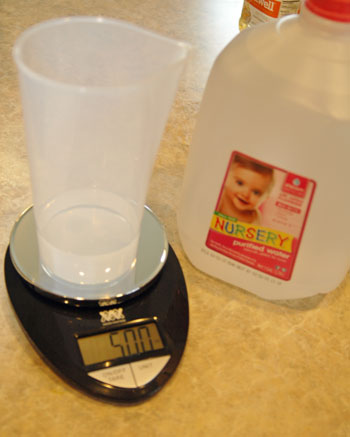
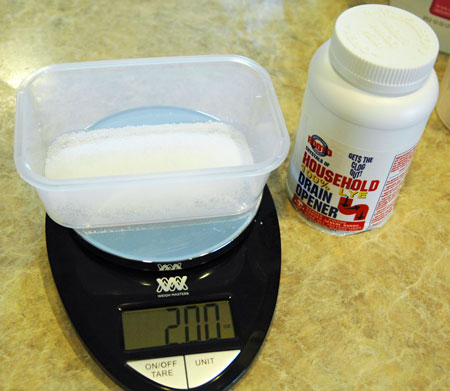


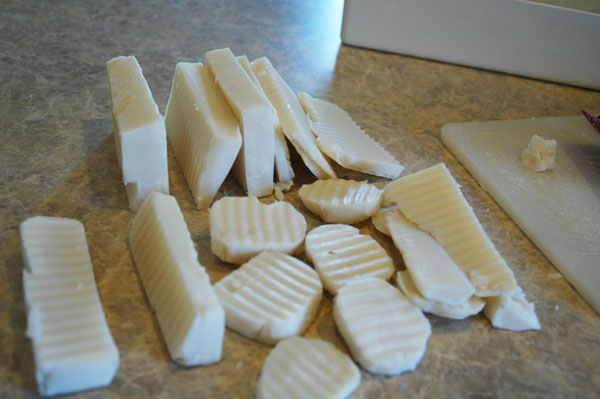


 I’m guessing this will be even more cost effective, but who knows!
